1. Cold Drafts and Air Leaks
Drafty windows and doors can make rooms uncomfortable while increasing heating costs. Air may enter through deteriorated weatherstripping, failed caulking, gaps around the frame, or poorly fitted sashes and doors.
A simple inspection can often reveal the source of the problem. Look for visible gaps, cracked sealant, loose weatherstripping, or curtains that move when the windows are closed. Many air leaks can be corrected and repaired without replacing the entire window or door.
2. Water Leaks During Fall Storms
Fall weather in the Northeast can bring heavy rain and wind-driven storms. Water entering around a window or door may damage interior walls, flooring, trim, and insulation. If ignored, moisture can also contribute to mold growth and wood deterioration.
Property owners should check for water stains, peeling paint, soft wood, damaged caulking, and moisture around window sills and door thresholds. The source of a leak is not always the glass or window itself—it may involve flashing, exterior sealants, clogged drainage systems, or surrounding masonry.
3. Foggy or Cloudy Insulated Glass
Condensation trapped between panes of glass typically indicates that the insulated glass seal has failed. Once this happens, the window’s appearance and insulating performance may be affected.
Fortunately, a fogged glass unit does not always mean the entire window must be replaced. In many cases, the failed insulated glass can be replaced while preserving the existing frame, helping property owners save time and money.
4. Windows That Will Not Open, Close, or Lock
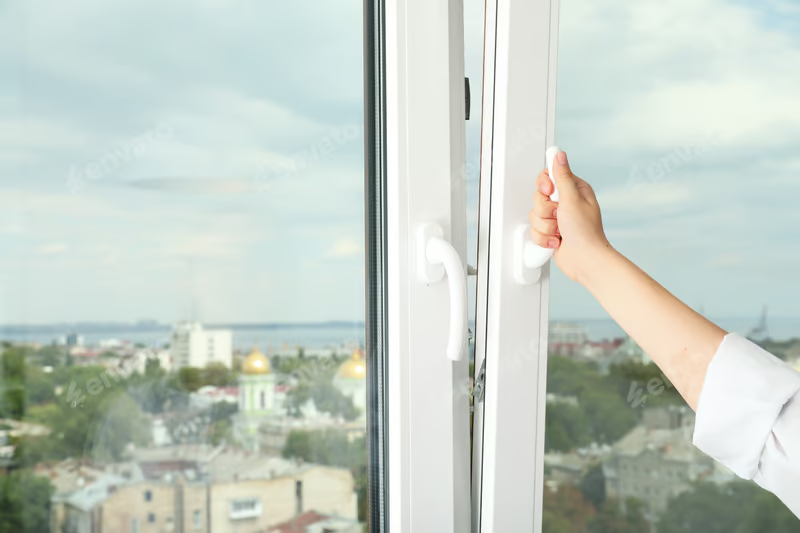
Windows that stick, slam shut, refuse to stay open, or do not lock properly can create safety and security concerns. These problems may be caused by worn balances, damaged locks, broken operators, loose hinges, warped frames, or layers of old paint.
Doors may also become difficult to operate as temperatures and humidity levels change. A door that drags, binds, or fails to latch securely should be inspected before cold weather makes the problem worse.
5. Damaged Screens and Storm Windows
As homeowners transition from air-conditioning to fresh fall air, damaged screens become more noticeable. Torn mesh, bent frames, and missing screen hardware can allow insects into the building.
Fall is also the time to inspect storm windows. Make sure they fit securely and that the glass, frames, seals, and hardware are in good condition. Properly functioning storm windows can provide an additional layer of protection for older or historic windows.
6. Deteriorating Wood Windows and Doors
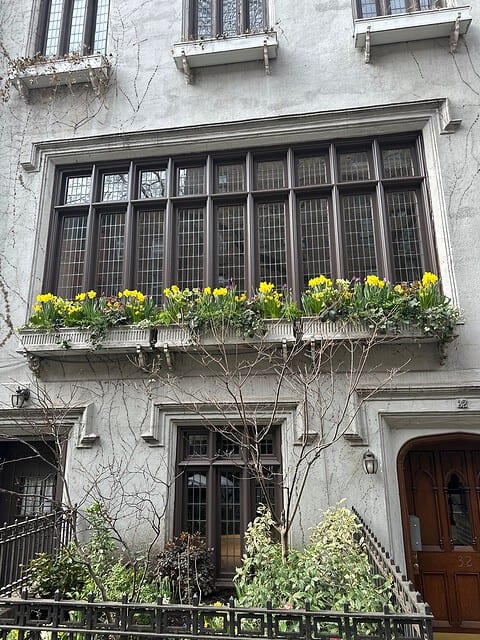
Older wood windows and doors require regular maintenance, especially in historic homes and buildings. Peeling paint, open joints, cracked glazing putty, and soft or rotted wood can allow moisture to penetrate the assembly.
Early repairs are generally more manageable than waiting until the deterioration becomes extensive. Wood consolidation, Dutchman repairs, reglazing, weatherstripping, and refinishing may extend the service life of historic windows and doors while preserving their original character.
Schedule a FREE Inspection By WindowFix Before Winter
Fall is one of the best times to address window and door problems. Repairs completed now can help reduce drafts, prevent water damage, improve security, and keep heating systems from working harder than necessary.
Whether your property needs new weatherstripping, glass replacement, hardware repair, leak investigation, or historic window and door restoration, a professional inspection can help determine what should be repaired and what truly needs replacement. Taking action before winter arrives can protect your property, improve indoor comfort, and help prevent small problems from becoming expensive emergencies.