What Are the Main Types of Storm Windows?
Different properties require different solutions. The most common options include exterior, interior, combination and Low-E.
Exterior Storm Windows
These are installed over the outside of existing windows. They provide an added layer of protection against harsh weather and help reduce drafts caused by aging or inefficient windows.
This type is commonly made with aluminum frames and glass or acrylic panels. They can be custom manufactured to fit many window sizes and architectural styles.
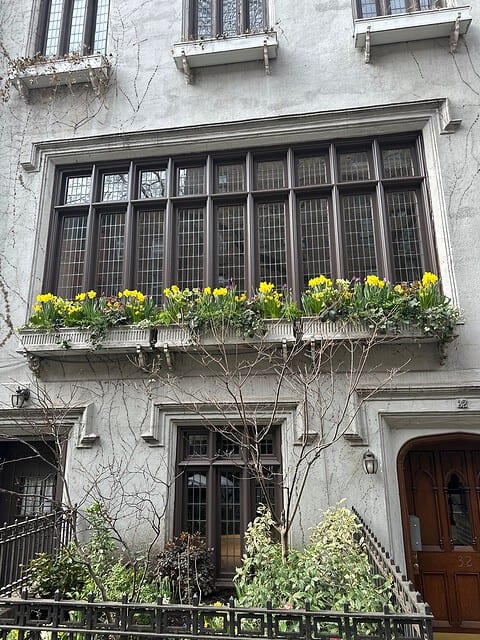
Exterior storm windows also help protect original wood windows from rain, snow, ice and repeated freeze-thaw cycles. This can extend the life of historic windows and reduce the need for premature replacement.
Interior Storm Windows
These are installed inside the home or building. They are a useful option when exterior installation is difficult, restricted or undesirable.
An interior panel may be secured with magnets, compression seals or mounting hardware. Because the panel is located indoors, it is easier to install, remove and maintain.
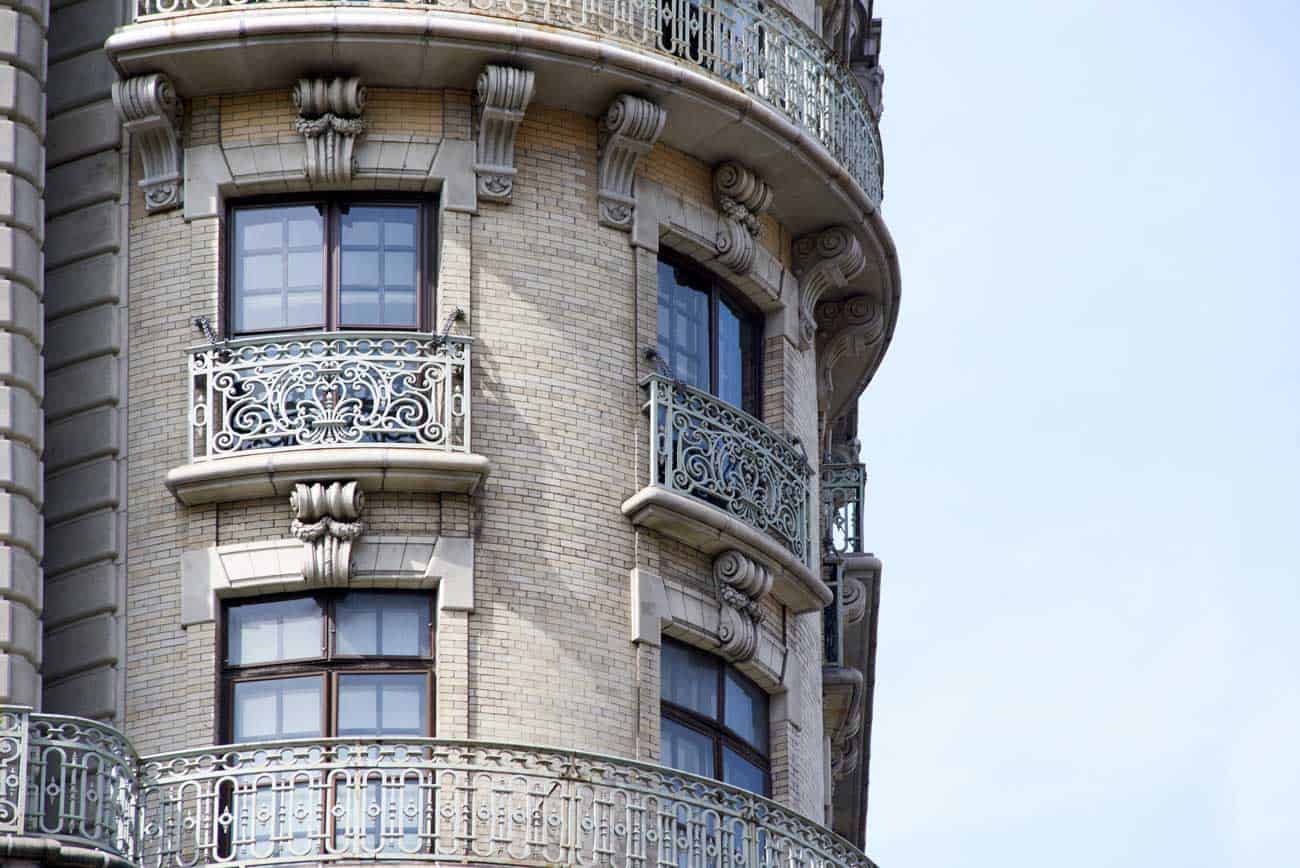
This type is often most appropriate for apartments, landmark buildings and properties where the exterior appearance must remain unchanged. When properly fitted, they can reduce drafts, improve comfort and provide added sound reduction.
Combination Storm Windows
This version typically includes multiple glass panels and a screen within one frame. The glass panels can be raised or lowered seasonally, allowing ventilation during warmer weather while providing protection during colder months.
Triple-track storm windows are a popular example. They usually contain two movable glass panels and one screen panel, giving homeowners greater control over airflow throughout the year.
Combination storm windows are especially practical for porches, enclosed patios and frequently used windows.
Low-E Storm Windows
This type contains a special coating designed to reflect heat. During winter, this coating helps retain warmth inside the building. During warmer months, it can reduce unwanted heat entering through the glass.
Low-E storm windows can improve the performance of older windows while preserving their character. They may be a cost-effective alternative when the existing windows remain structurally sound but need better thermal performance.
Why Storm Windows Are Important in Winter
Freezing temperatures place additional stress on windows and building envelopes. Small gaps, deteriorated seals and loose-fitting sashes allow heated indoor air to escape while cold outdoor air enters.
Storm windows help create a buffer zone that reduces direct exposure to winter weather. Their benefits may include:
Fewer uncomfortable drafts
Improved indoor temperature consistency
Reduced heat loss
Lower strain on heating systems
Protection for original or historic windows
Less outside noise
Reduced condensation when properly installed and ventilated
Storm windows are not a solution for every problem. Rotted frames, broken glass, failed seals and water infiltration should be evaluated and repaired before storm windows are installed. Proper measurements, installation and ventilation are also essential. An improperly fitted storm window may allow moisture to become trapped between the storm panel and the primary window.
Learn more from EnergyStar.gov.
Then call us for a FREE inspection and estimate.