How BABA Affects Construction and Rehabilitation Projects
For companies involved in public housing, affordable housing developments, municipal upgrades, schools, healthcare facilities, and infrastructure rehabilitation, BABA requirements can directly influence purchasing decisions and project planning.
Materials commonly affected may include:
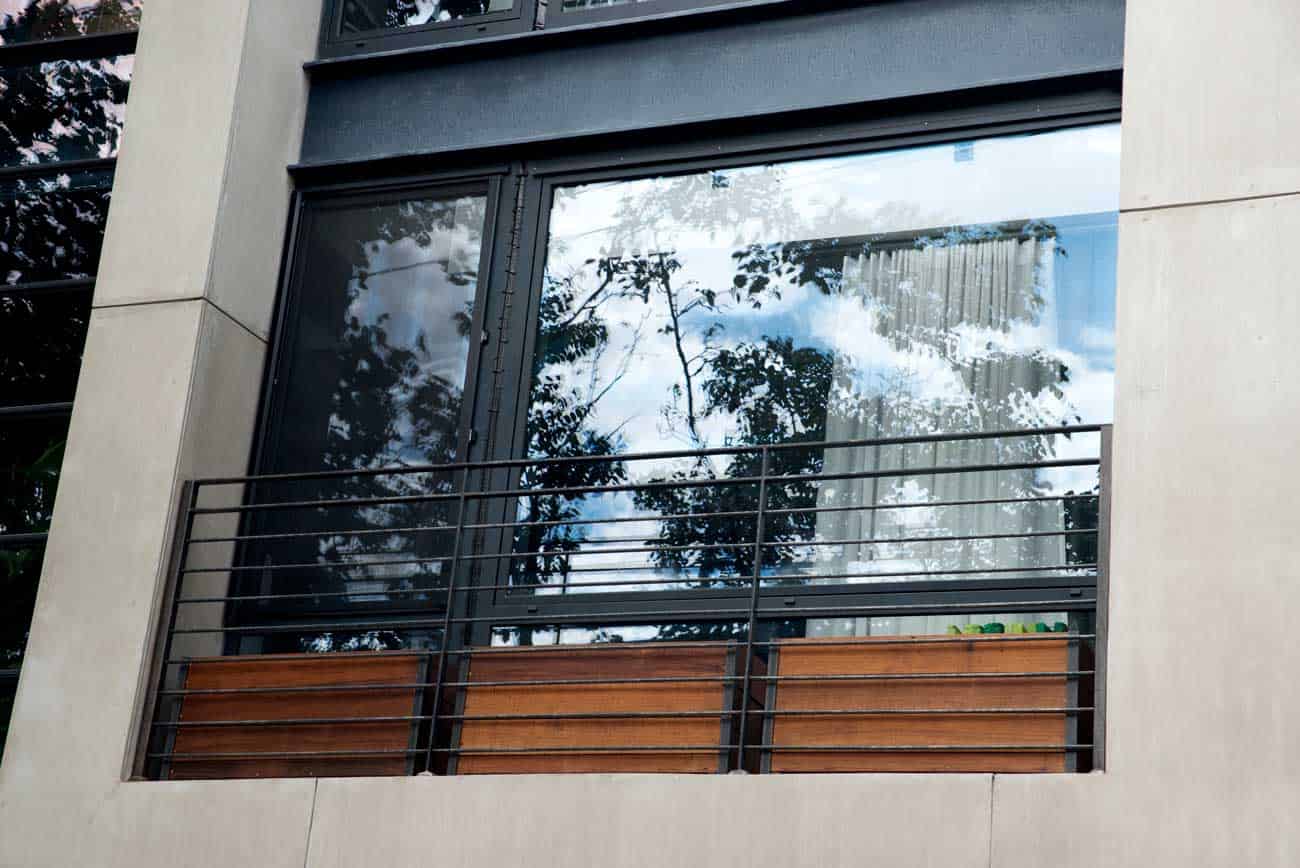
- Windows and doors
- Glass and glazing systems
- Aluminum framing
- Steel products
- HVAC components
- Electrical systems
- Construction hardware and accessories
Contractors and suppliers must now pay closer attention to product sourcing, manufacturing origin, and documentation to ensure compliance.
This has created a growing demand for American-made construction products and manufacturers that can clearly verify domestic production standards.
Why Compliance Matters
Failure to comply with BABA regulations can potentially delay projects, affect funding eligibility, or create complications during inspections and audits. As a result, project teams are becoming more proactive about selecting products and vendors that meet federal requirements from the start.
For manufacturers and suppliers, transparency has become critical. Providing clear documentation regarding where products and components are sourced, assembled, and manufactured is now an important part of the bidding and approval process.
Companies that can confidently offer compliant products may also gain a competitive advantage as federally funded construction activity continues to increase.
Opportunities for American Manufacturers
While the regulations introduce additional oversight, they also create significant opportunities for U.S.-based manufacturers and suppliers.
American-made products are seeing increased demand across many sectors, particularly in construction materials, glazing systems, aluminum products, and specialty building components. Domestic manufacturers who already maintain U.S.-based production facilities may be well-positioned to benefit from these requirements.
For property owners and developers, sourcing compliant products can also improve project efficiency by reducing the risk of delays tied to non-compliant materials.
Planning Ahead for BABA Compliance
As federal funding continues flowing into infrastructure, housing, and rehabilitation programs, BABA compliance is expected to remain a major consideration throughout the construction industry.
Successful projects will depend on early planning, proper documentation, and working with experienced suppliers and contractors who understand the evolving requirements.
Whether it involves replacement windows, storefront systems, curtain walls, or large-scale rehabilitation work, choosing products that align with Build America, Buy America standards can help keep projects moving forward while supporting American manufacturing and labor.
In today’s construction environment, compliance is no longer just a paperwork issue. It is becoming an essential part of project strategy, procurement, and long-term success