1. Life Safety Comes First
The most compelling reason to install fire-rated windows and doors is life safety. In a fire emergency, smoke and flames can travel rapidly through a building, often faster than occupants can escape. Fire-rated doors and windows help compartmentalize a structure, slowing fire progression and protecting egress routes like stairwells and corridors. This bought time can be crucial, giving employees, residents, or visitors the extra minutes needed to evacuate before conditions become untenable.
These products are not decorative; they are critical parts of a building’s passive fire protection system, systems that work automatically and continuously to contain fire hazards without user intervention. Unlike active systems such as sprinklers or alarms, passive systems are always “on duty,” performing their role from the moment they’re installed.
2. Fire Containment Protects Property and Operations
While saving lives is paramount, protecting property and operations is another significant advantage of fire-rated openings and are essential in large, high-traffic buildings like government facilities because they limit fire and smoke spread, preserving critical spaces like data centers, archives, and mechanical rooms.
For businesses, containing fire in its area of origin drastically reduces structural damage. Valuable equipment, sensitive records, and inventory are shielded behind fire-resistant barriers, decreasing the cost of rebuilds and minimizing downtime after an incident. Even residential properties benefit, fire-rated components can protect key structural elements and provide more time for homeowners to respond.
3. Smoke Control Saves Lives Too
It’s worth emphasizing that smoke, not flames, is often the deadliest aspect of fires. Thick smoke can quickly fill escape routes, obscure visibility, and cause life-threatening respiratory issues. Fire-rated doors and windows usually include intumescent seals that expand when exposed to heat, preventing smoke from seeping around edges and through gaps. This containment dramatically improves occupant safety by keeping evacuation pathways clearer longer.
4. Code Compliance and Insurance Requirements
Fire-rated openings are not optional in many cases, they are mandated by building codes and safety regulations. Local, state, and federal standards often require rated doors and windows in specific locations, such as stairwell enclosures, exit routes, and between different occupancy areas. These standards (for example, those set by the National Fire Protection Association and the International Building Code) are designed around science-based fire performance testing.
For property owners and facility managers, compliance is about more than legal obligations: it’s about reducing liabilityand ensuring that a building meets its documented fire safety design. Annual inspections may also be required to verify that fire-rated assemblies remain functional and unaltered.
5. Fire-Rated Windows: Safety Without Sacrificing Design
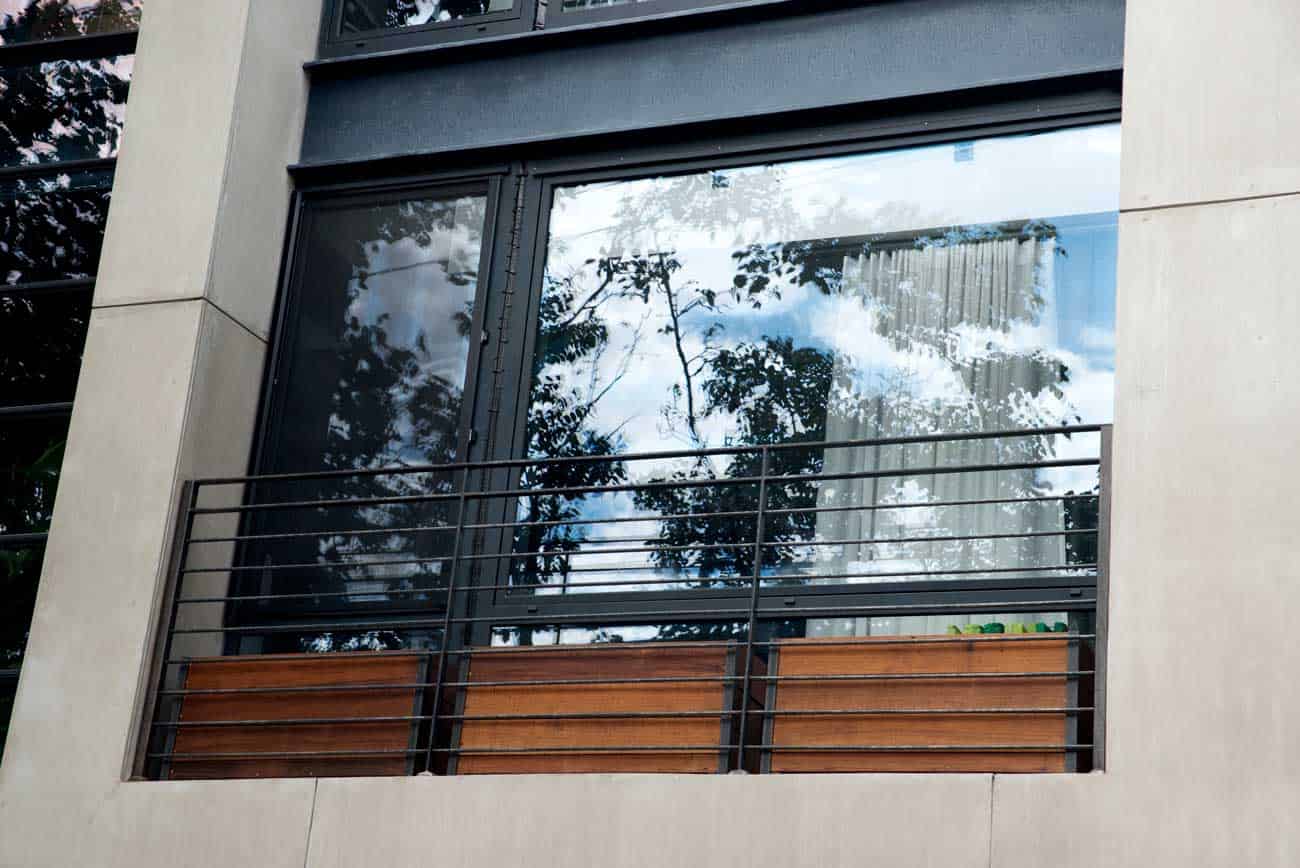
One common misconception is that fire safety and aesthetics are mutually exclusive. Today’s fire-rated windows, especially those made from robust materials like steel with fire-resistant glazing, offer both safety and design flexibility. These systems can be transparent, letting natural light flow while still forming a durable fire barrier.
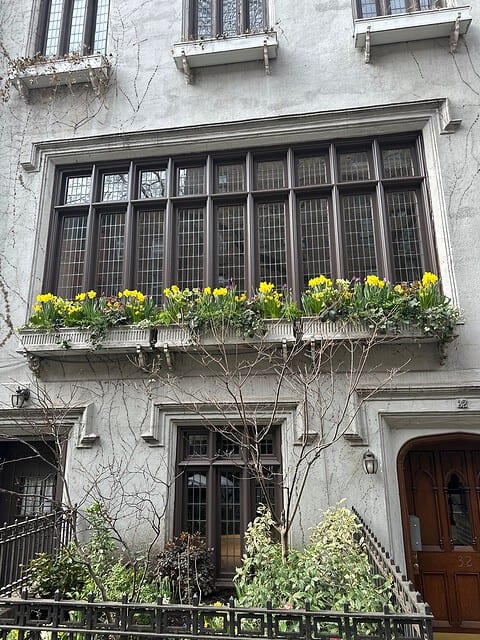
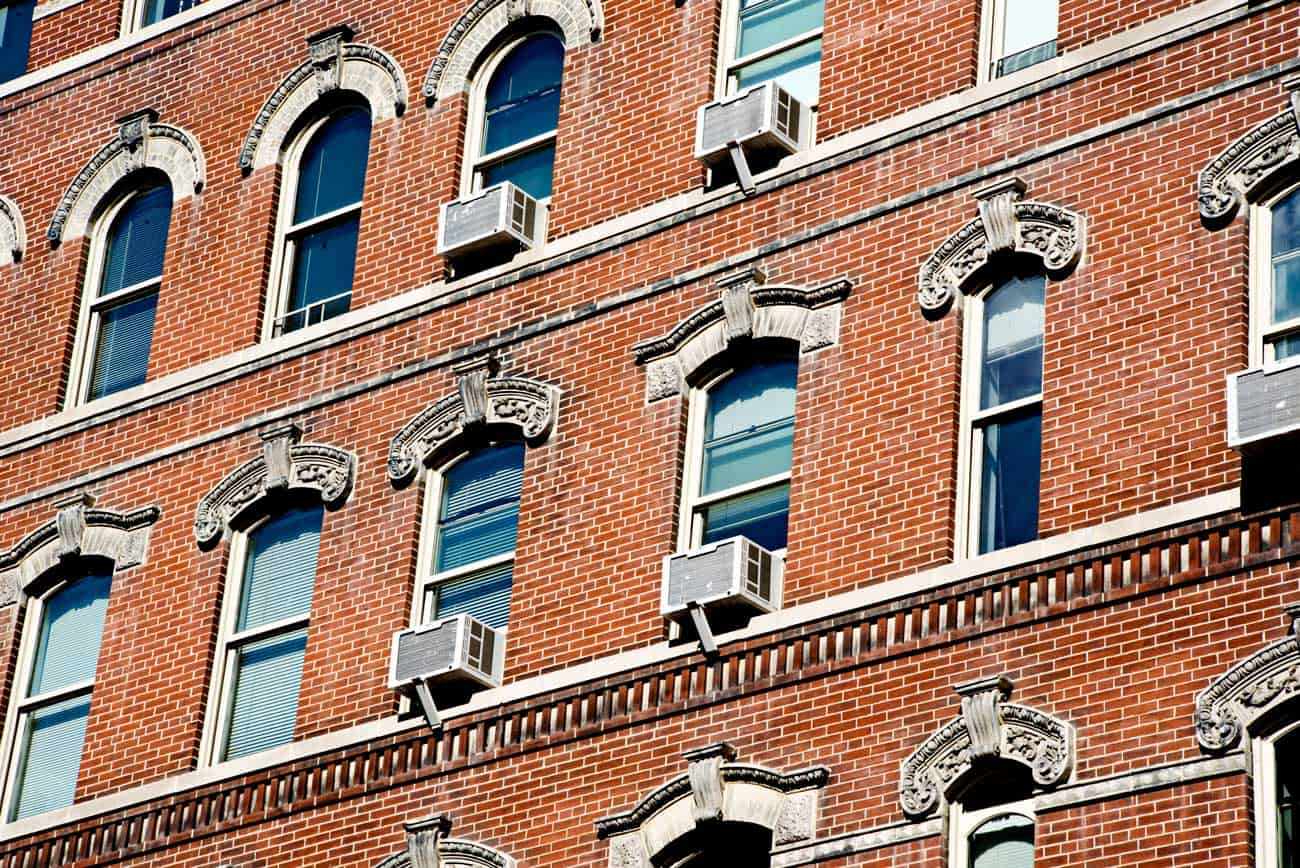
For architects and builders, that means fire-proof windows can be incorporated without compromising on design goals, whether in historical renovations, modern offices, or residential projects.
Take Away
Fire-proof windows and doors are far more than building code checkboxes. They are lifesaving components of modern construction. By slowing the spread of fire and smoke, protecting egress routes, supporting emergency response, and preserving property, these systems deliver safety, compliance, and peace of mind. Whether you’re designing a government facility, upgrading a business, or improving your home’s fire safety, choosing fire-rated openings is an investment in lasting protection.